
destinations
İstanbul City Walls
İstanbul City Walls
Defining the western edge of the Historic Peninsula, İstanbul’s monumental city walls stand as one of the most enduring symbols of the city’s resilience and continuity. First constructed in the early fifth century during the reign of Emperor Theodosius II, these fortifications form one of the most significant architectural and cultural legacies of İstanbul.
The city walls represent the most advanced stage of defensive architecture developed in the Mediterranean world against the evolving siege techniques of Late Antiquity and the Middle Ages. Built as a sophisticated system of multiple walls, towers, and ditches, they played a crucial role in protecting Constantinople for centuries and contributed to the city’s long survival as the capital of the Eastern Roman Empire.
The Outstanding Universal Value of İstanbul lies in its unique synthesis of architectural masterpieces reflecting the encounter of Europe and Asia across centuries. Within and around the Theodosian city walls, the city’s incomparable skyline was shaped by the creative genius of Eastern Roman and Ottoman architects, giving rise to a layered urban landscape unlike any other. As part of the Historic Areas of İstanbul, the city walls are included on the UNESCO World Heritage List, underscoring their global cultural significance.
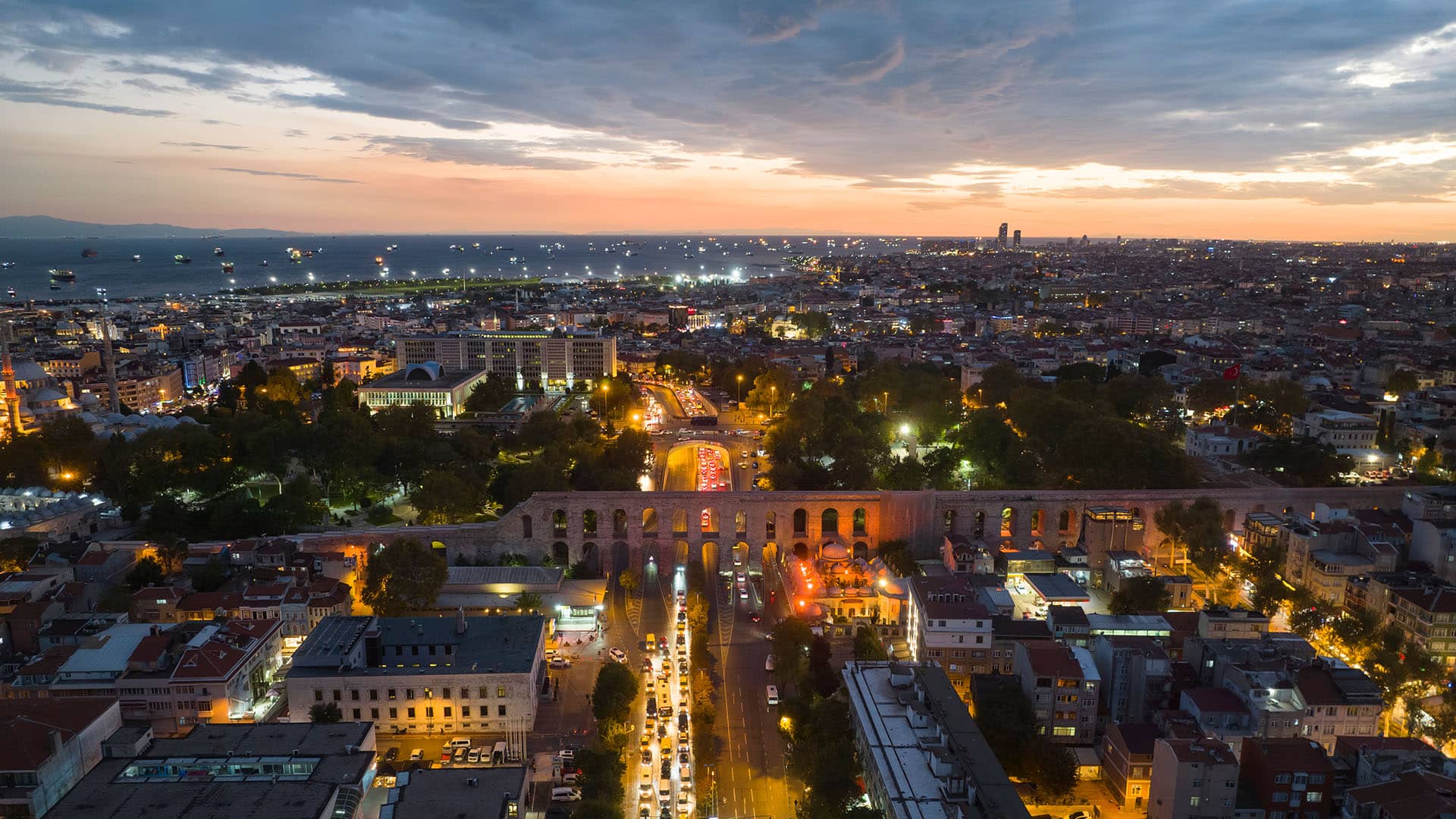
Stretching along the western boundary of the Old City, large sections of the city walls remain standing today, making them among the best-preserved examples of Roman and Eastern Roman military architecture. The area surrounding the city walls also preserves important archaeological remains, including traces of the Blachernae Palace, once an imperial residence overlooking the Golden Horn.Walking alongside or atop the walls offers a journey through historic neighborhoods such as Edirnekapı, Topkapı, and Yedikule, where the city’s past continues to shape daily life.
At the southern end of the city walls stands Yedikule Fortress, a landmark layered with history and legend. While its origins lie in the monumental Golden Gate of the Roman period, the fortress assumed its present form during the Ottoman era. Over time, Yedikule became associated with imperial ceremonies, state power, and later, imprisonment, leaving behind a complex legacy reflected in its distinctive towers and commanding presence.
Equally remarkable is the living heritage found at the foot of the walls between Mevlanakapı and Yedikule the historic Yedikule Gardens.Sustained by families who continue to cultivate vegetables today, these historic gardens have supported urban agriculture for more than 1,500 years. The tradition of market gardening in this area dates back to the Eastern Roman period and has survived uninterrupted to the present day, making the Yedikule Gardens a rare example of enduring urban agricultural practice within a historic metropolis.
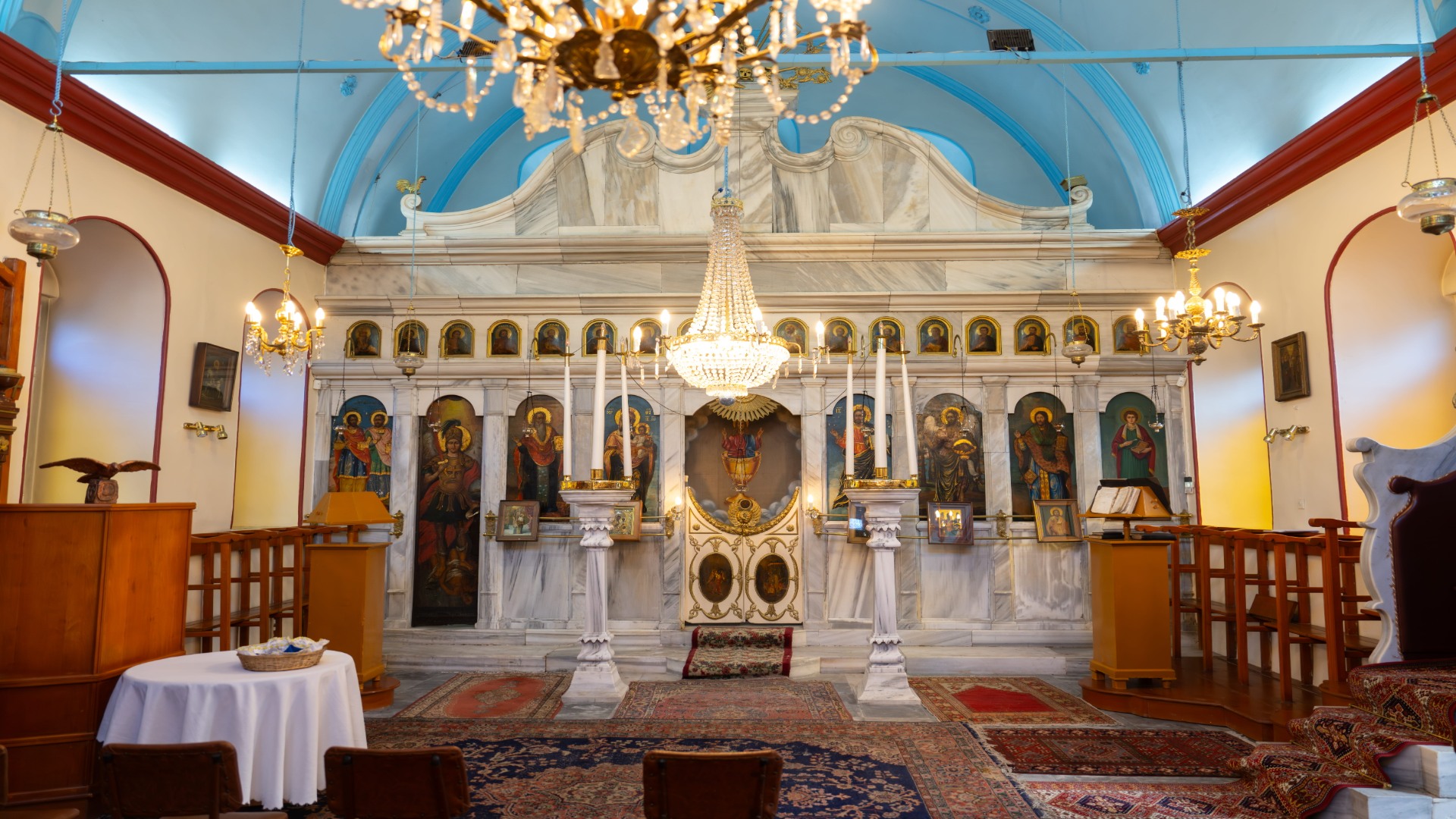
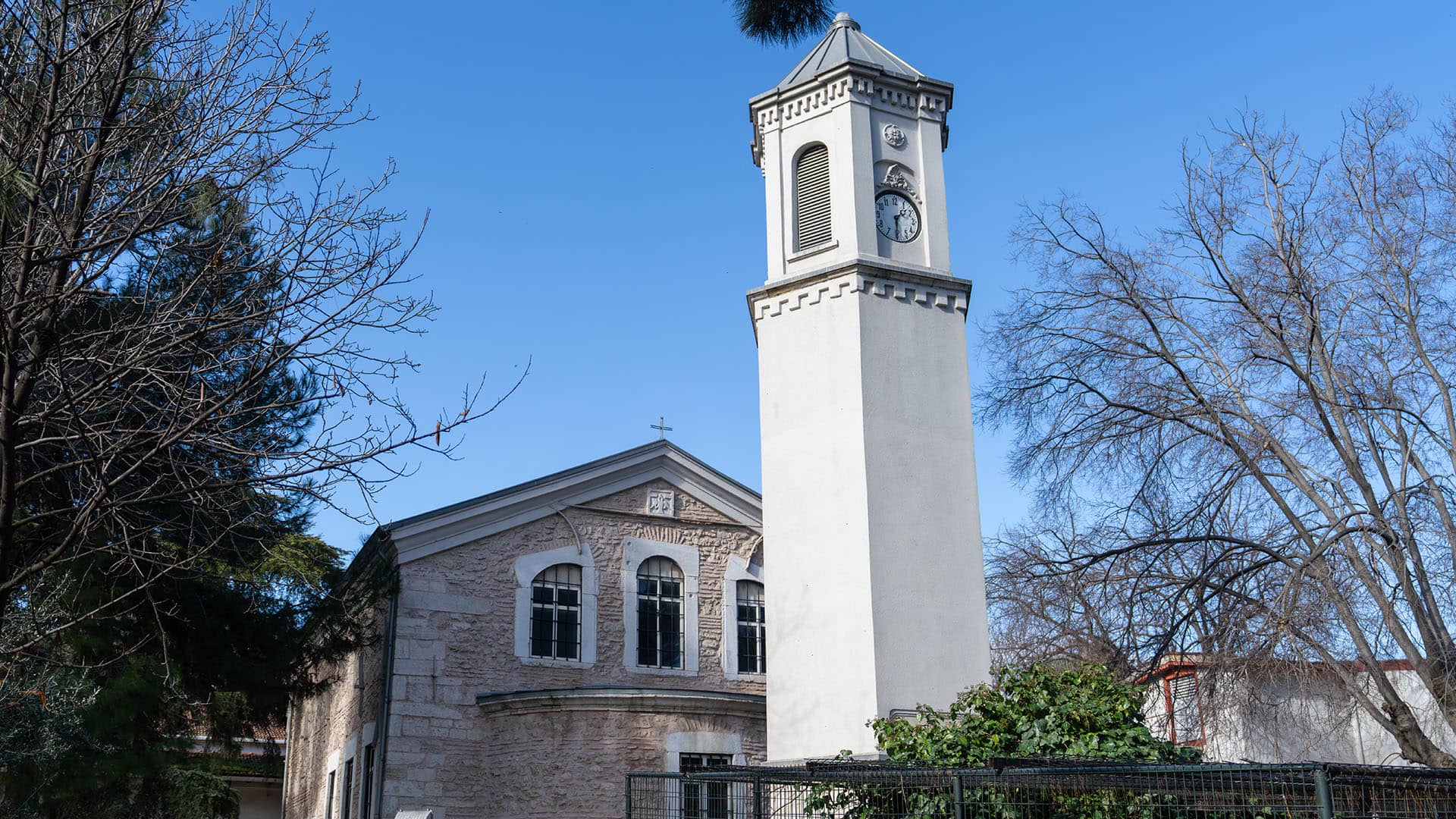
To experience this rich and layered heritage, wander along the historic land walls and allow yourself to get lost in their surroundings. These neighborhoods around the land walls reflects İstanbul’s enduring multicultural identity. One monument worth a detour is the Church of Hagios Charalambos (Aya Haralambos Kilisesi), located at the heart of the Balıklı Greek Hospital. Named after Hagios Charalambos, a 2nd-century saint revered in Orthodox belief as the protector against epidemic diseases, the church carries a symbolic meaning as a “spiritual shield” for a hospital founded during times marked by plague.
Together, the city walls, Yedikule Fortress, and surrounding historic landscapes form a powerful cultural corridor where monumental architecture, imperial history, and living traditions coexist. Exploring İstanbul’s city walls offers not only a walk through stone and fortification, but a journey through centuries of continuous urban life.